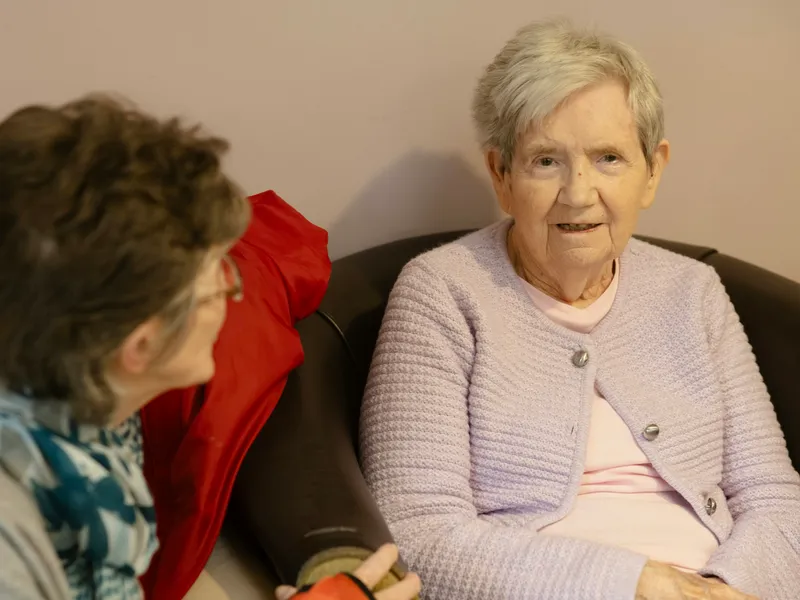
CSIL explained: self-managed home support in BC , read more
Choice in Supports for Independent Living gives you the funding and makes you the employer. Who qualifies, what it actually involves, and who it suits.
Respite is not a luxury. It is what keeps a family caregiver from becoming a second patient.

The most common way respite fails is that it gets left until the family caregiver is already in crisis. At that point the person needing care has never met us, nothing has been handed over, and the break becomes another thing to manage.
Starting with a short regular visit while things are still under control means that when you actually need three days, we already know the household, and the person we are caring for already knows us.
Respite where the family caregiver stays in the next room, listening, is not respite. Go out. Sleep. See someone. We will call you if we need you.
British Columbia has real support for family caregivers, and none of it requires hiring anyone:
We would rather you knew about all of it.
Choice in Supports for Independent Living gives you the funding and makes you the employer. Who qualifies, what it actually involves, and who it suits.
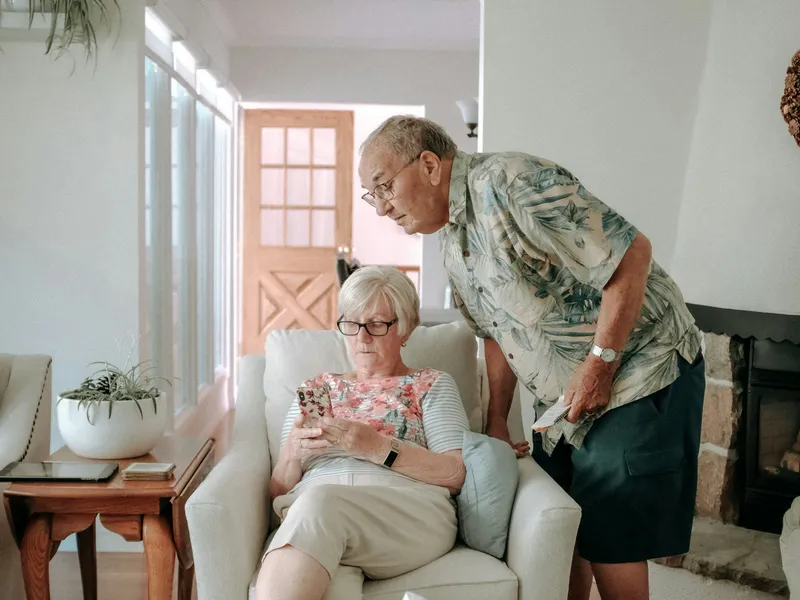
Who qualifies, how the daily rate is calculated, what is covered, and where the public system stops. Read this before you pay anyone privately.
Consistent caregivers, familiar routines, and a calm approach to hard moments
Someone awake, or sleeping nearby, through the hours that worry families most
Conversation, outings and the routine of a person who reliably shows up
A fifteen-minute call, no charge and no obligation.