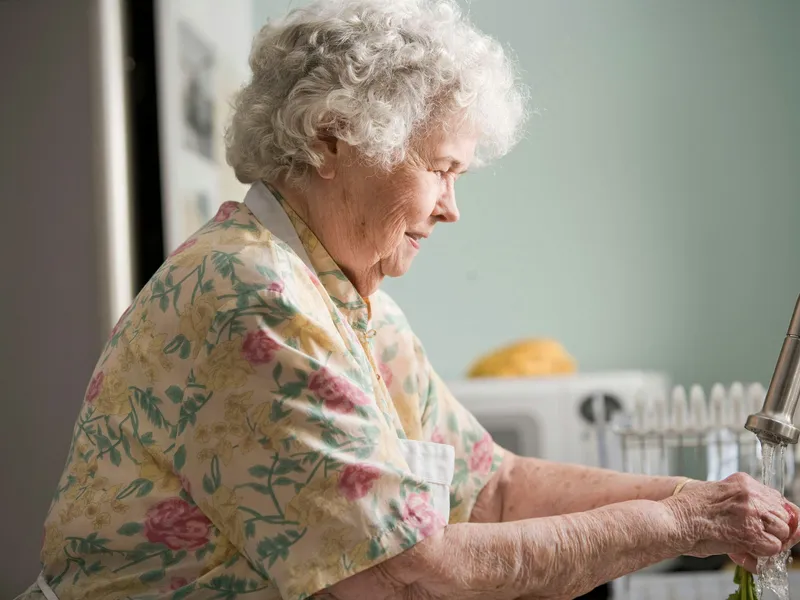
Twelve signs a parent needs help at home , read more
What to look for on your next visit, what each sign usually means, and the difference between something to watch and something to act on this week.
The part of the day that decides whether someone stays at home. Bathing, dressing, the walk to the bathroom at 3am. Done properly it is unremarkable; done badly it is the fall that ends independence.

Every agency says it treats people with dignity. What that actually means is a set of habits that either exist or do not: asking before touching, keeping the person covered during a wash, narrating what happens next so nothing is a surprise, and never carrying on a conversation over someone’s head while they are being helped.
Those habits can be taught and checked, and we check them as part of our quality reviews.
The assessment records how the person transfers, what equipment is needed, and whether one caregiver is enough. That goes into the care plan the caregiver sees before the task. If the plan says two people or a lift, one caregiver does not improvise alone.
A care aide is not a nurse and must not act as one. What a care aide is uniquely placed to do is notice: that the swelling in an ankle is new, that a person who normally chatters has been quiet for two visits, that there is less food gone from the fridge than last week.
Those observations are recorded at the visit and reviewed by our office, and families with permission see them too.
What to look for on your next visit, what each sign usually means, and the difference between something to watch and something to act on this week.
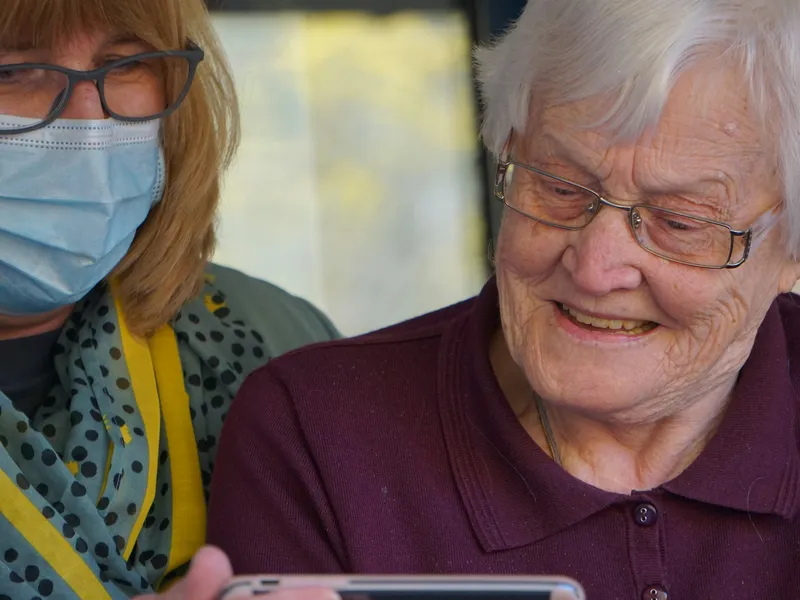
The questions that separate a serious home care provider from a well-marketed one, with our own answers to every one.
Meals, laundry, light housekeeping and the errands that keep a home running
Extra support through the first weeks after a hospital stay
Consistent caregivers, familiar routines, and a calm approach to hard moments
A fifteen-minute call, no charge and no obligation.