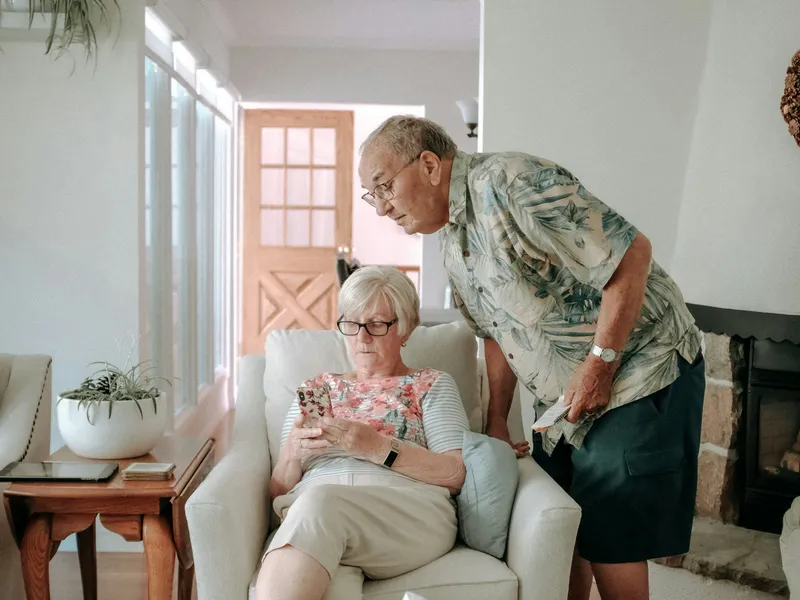
Publicly funded home support in BC: how it actually works , read more
Who qualifies, how the daily rate is calculated, what is covered, and where the public system stops. Read this before you pay anyone privately.
Most people say they would prefer to die at home. Far fewer do, and the reason is rarely medical: it is that the household runs out of capacity at three in the morning.

End-of-life care at home works when the pieces fit together: the family physician or nurse practitioner, the health authority’s palliative care team, hospice services, the pharmacy, the family, and us. Our part is presence and personal care, hour by hour. We do not manage symptoms, and we do not make clinical decisions.
British Columbia’s BC Palliative Care Benefits programme covers approved medications and some supplies at home for people who qualify. Ask the family doctor about it early, since families often find out about it late.
If there is a Representation Agreement, an advance directive, or a “no hospital” wish recorded, it belongs in the care plan where every caregiver will see it, not in a drawer.
The hours after a death are the ones nobody prepares a family for. Our caregivers stay, help with what needs doing, and are not in a rush to leave.
Who qualifies, how the daily rate is calculated, what is covered, and where the public system stops. Read this before you pay anyone privately.
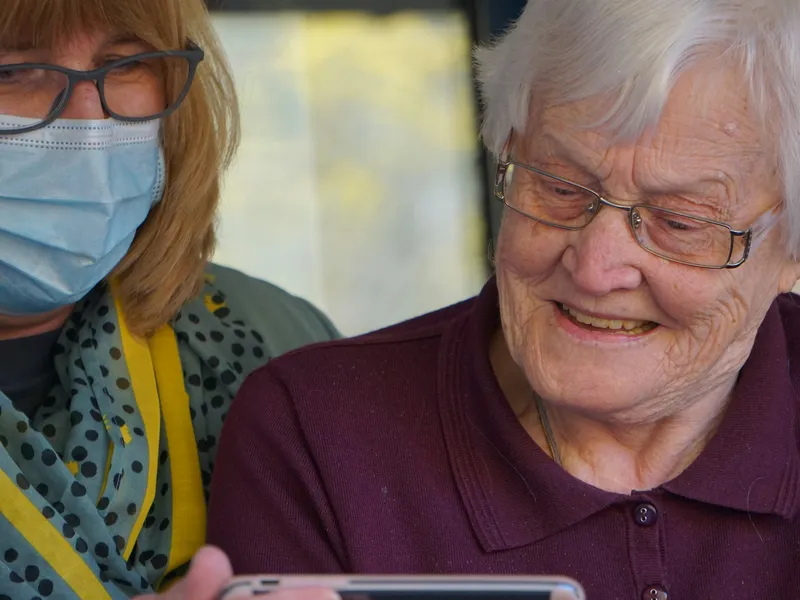
The questions that separate a serious home care provider from a well-marketed one, with our own answers to every one.
Someone awake, or sleeping nearby, through the hours that worry families most
Hands-on help with bathing, dressing, toileting and moving safely
Planned, reliable breaks so the person providing care can keep providing it
A fifteen-minute call, no charge and no obligation.